


Wyatt Massey of Spotlight PA State College
Penn State Investigative ReporterMassey investigates how Penn State University operates, including its influence in the region and state. The university receives more than $300 million in funding from the state but evades most transparency measures under Pennsylvania’s Right-to-Know Law. Massey scrutinizes the main University Park campus as well as the university’s 19 additional branch campuses.
A native of rural Wisconsin, Massey previously covered faith and religion for the Chattanooga Times Free Press in Southeast Tennessee.
-
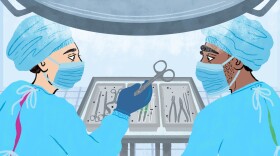 Internal records describe harrowing situations as Hershey Medical Center struggled to keep a usable supply of sterile instruments for surgeries, a Spotlight PA investigation found.
 -
 The university’s governing body spent 22% of its public meeting time in 2025 discussing Penn State business — a new high in recent years.
 -
 As Penn State fights public disclosure of board documents, at least two trustees do not have access to the board’s file-sharing service.
 -
 The move is the latest in a yearslong dispute over records that the secretaries of state agencies use in their roles of Penn State trustees.
 -
 Penn State’s internal reviews found alarming lapses in Cancer Institute Director Raymond Hohl’s care of patients.
 -
 Internal records reveal that for years Penn State’s clinical cancer research was mired in deep-rooted and potentially dangerous problems. Then the people tasked with fixing it were dismissed.
 -
 Despite warnings and calls for action, Penn State has stood by its cancer center director as it pursues a prestigious federal designation.
 -
 The ruling upholds a Pennsylvania Office of Open Records decision that university documents shared with state agency leaders are public, even if they’re housed in an online file-sharing system.
 -
 All of Penn State’s voting trustees attended the session on the Pennsylvania Sunshine Act, which was led by the state’s Office of Open Records.
 -
 Penn State spent $1.7 million in the past two years on lobbying efforts in Harrisburg, outspending Penn, Pitt, and Temple.


